
Get Rough Plumbing Installation
Rough plumbing installation services involve local contractors handling pipe work, fixtures, and systems for new construction, renovations, or repairs to prevent leaks and ensure proper water flow.
Rough plumbing installation is a critical step in preparing a property for future fixtures and appliances, making it a common consideration for property owners planning renovations or new construction projects. Whether updating an older home, adding a new bathroom, or undertaking a major remodel, proper planning and installation of the underlying piping systems ensure reliable operation and help prevent costly issues down the line. Local contractors specializing in rough plumbing can provide the expertise needed to navigate these projects efficiently, providing a solid foundation for your plumbing system.
Exploring options for rough plumbing installation involves comparing experienced service providers in the area who can meet specific project needs. Property owners often seek local contractors to ensure quality work that aligns with the structure’s requirements and local building codes. Continuing to review and connect with qualified professionals can help make informed decisions as you plan your project, ensuring the plumbing system is installed correctly and ready for the final fixtures and finishes.
- Rough Plumbing Installation - needed when installing new plumbing lines during home renovations or new construction projects.
- Rough Plumbing Replacement - required when upgrading or replacing outdated or damaged plumbing infrastructure.
- Bathroom or Kitchen Plumbing Rough-In - necessary for preparing plumbing connections before fixtures are installed.
- Emergency Plumbing Rough-In - needed when urgent work is required to address significant plumbing issues before finishing work can proceed.
- Commercial Plumbing Roughing - essential for setting up plumbing systems in new commercial buildings or large-scale renovations.
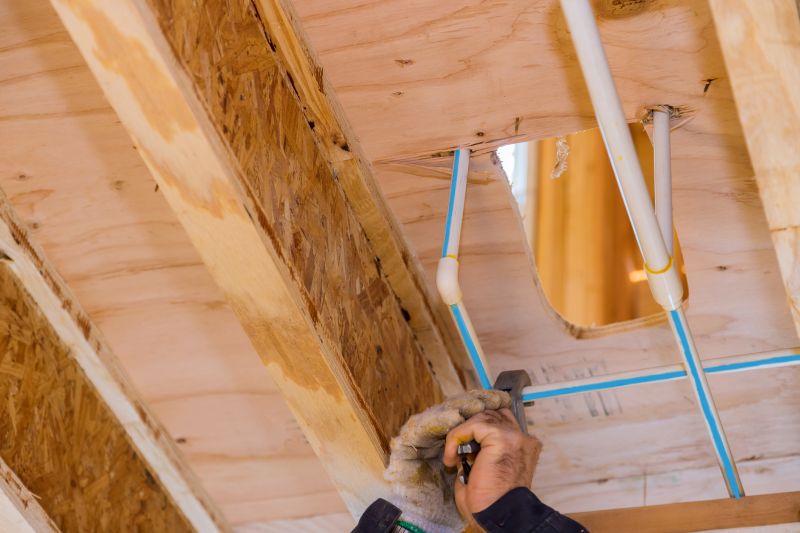
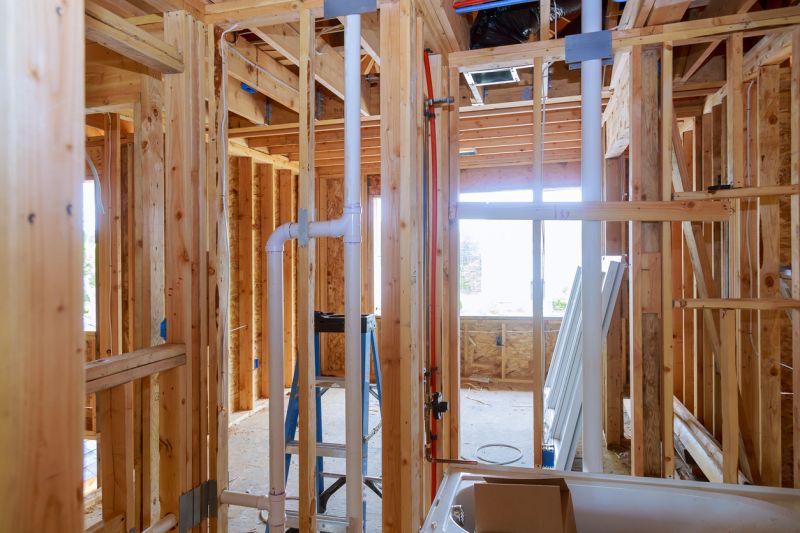
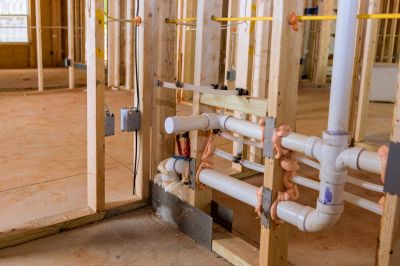
Rough plumbing installation services involve the setup of essential piping systems that supply water and remove waste in residential and commercial properties. This process typically includes installing main water lines, drain pipes, vent stacks, and other foundational plumbing components. Proper installation ensures that water flows efficiently throughout the property and that waste is safely directed away, helping to establish a reliable plumbing infrastructure from the start or during major renovations.
These services are often needed when constructing a new property, undertaking a significant remodel, or replacing outdated or damaged piping systems. Common issues addressed through rough plumbing installation include leaks, low water pressure, frequent clogs, or inadequate drainage. Properly installed rough plumbing can prevent costly repairs later by ensuring that the entire plumbing network is correctly configured and capable of handling daily water use and waste removal.
Rough plumbing installation is suitable for a variety of property types, including single-family homes, multi-unit apartment buildings, commercial facilities, and renovations of existing structures. Homeowners planning new construction or extensive upgrades often rely on these services to set the groundwork for fixtures and appliances. Commercial property owners may also seek professional installation to meet building codes and ensure that their plumbing systems operate smoothly and efficiently.
Homeowners typically need rough plumbing installation services when starting new construction projects, adding bathrooms or kitchens, or replacing aging pipes that are causing problems. If plumbing fixtures are not functioning properly, or if there are signs of leaks, water damage, or foul odors, a professional installation may be necessary to correct underlying issues. Contacting local contractors can help find experienced providers capable of handling the scope of work needed to establish or upgrade a property’s plumbing system.
The overview below groups typical Rough Plumbing Installation projects into broad ranges so you can see how smaller, mid-sized, and larger jobs often compare in your area.
In many markets, a large share of routine jobs stays in the lower and middle ranges, while only a smaller percentage of projects moves into the highest bands when the work is more complex or site conditions are harder than average.
Smaller Repairs - typical costs for minor plumbing fixes like leak repairs or fixture replacements generally range from $150-$500. Many routine jobs fall within this middle range, with fewer projects reaching the lower or higher ends.
Fixture Installations - installing new sinks, toilets, or faucets usually costs between $250-$600, depending on the fixture type and complexity. Local contractors often handle these within this typical range, though custom or high-end fixtures can push costs higher.
Full Bathroom Remodels - complete bathroom plumbing installations can range from $3,000-$10,000 or more, especially for larger, more complex projects. Many projects are in the middle of this range, with larger renovations reaching into the higher tiers.
Full System Replacements - replacing all plumbing in a property can cost $5,000-$15,000 or higher, depending on the size and scope. While most projects fall into the mid to upper ranges, extensive or custom work can significantly increase costs.
Actual totals will depend on details like access to the work area, the scope of the project, and the materials selected, so use these as general starting points rather than exact figures.
Bathroom Plumbing Renovations - Local contractors skilled in bathroom upgrades often handle plumbing installations, including pipe fitting and fixture connections similar to rough plumbing work.
Kitchen Plumbing Installations - Installing sinks, dishwashers, and garbage disposals requires expertise in rough plumbing techniques and planning comparable to those used in new plumbing systems.
Water Line Replacement - Replacing or rerouting water supply lines involves similar skills in pipe layout, connection, and system planning as in rough plumbing projects.
Sewer Line Repairs - Repair and replacement of sewer lines require knowledge of underground piping and excavation, aligning with the skills needed for rough plumbing setup.
Hydronic Heating System Installation - Installing radiant floor heating or other hydronic systems involves pipe installation and system planning akin to rough plumbing services.
Emergency Pipe Repair - Fixing burst or leaking pipes demands quick assessment, pipe fitting, and system restoration skills similar to those used in initial rough plumbing installations.
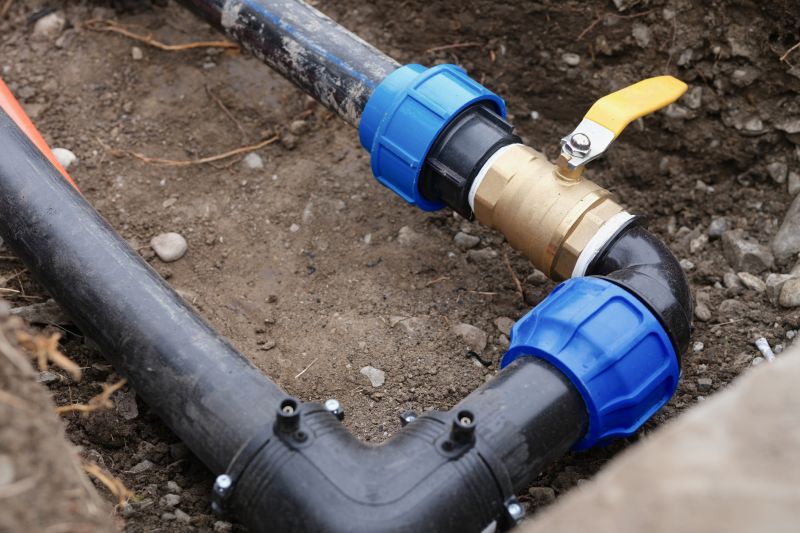
When comparing local contractors for rough plumbing installation, it’s important to consider their experience with similar projects. Homeowners should look for service providers who have a track record of handling projects comparable in scope and complexity. This can help ensure that the contractor understands the specific requirements of the job and has the practical knowledge to manage potential challenges effectively. While experience alone isn’t the only factor, it provides a useful indicator of a contractor’s familiarity with the work involved and their ability to deliver quality results.
Clear written expectations are essential when evaluating potential service providers. Homeowners should seek out contractors who can provide detailed descriptions of the work scope, materials, and methods they plan to use. Having this information in writing helps prevent misunderstandings and ensures everyone is aligned on what will be done. It’s also advisable to ask for a comprehensive outline of the project’s process, so there are no surprises once work begins. Well-documented expectations contribute to a smoother project and can serve as a reference point throughout the installation.
Reputable references and good communication are key components in selecting a reliable service provider. Homeowners should ask for references from previous clients who had similar work completed, and follow up to learn about their experiences. A contractor’s responsiveness and clarity in communication also matter; service providers who are prompt and transparent tend to be easier to work with and more likely to address questions or concerns promptly. Ultimately, connecting with local pros who demonstrate professionalism, transparency, and a history of satisfied clients can help ensure the rough plumbing installation project proceeds smoothly and meets expectations.
Property owners use Rough Plumbing Installation services for practical projects around their homes and businesses. This guide focuses on everyday jobs and straightforward project options.
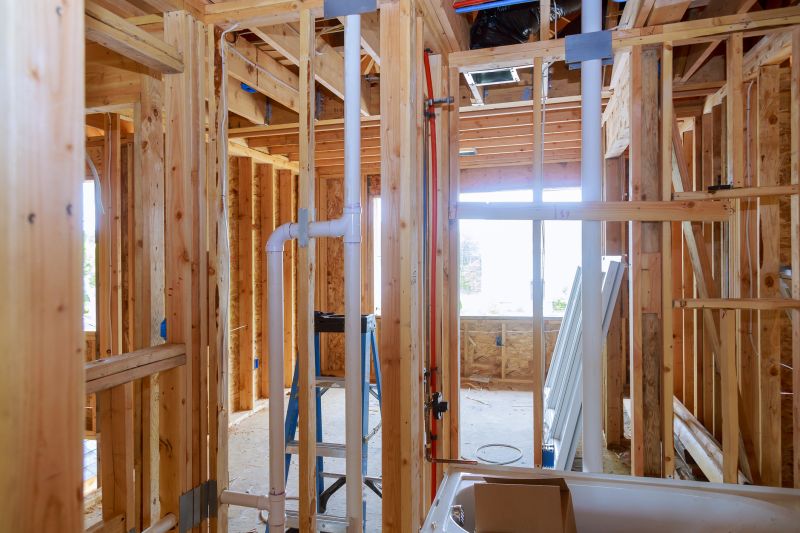
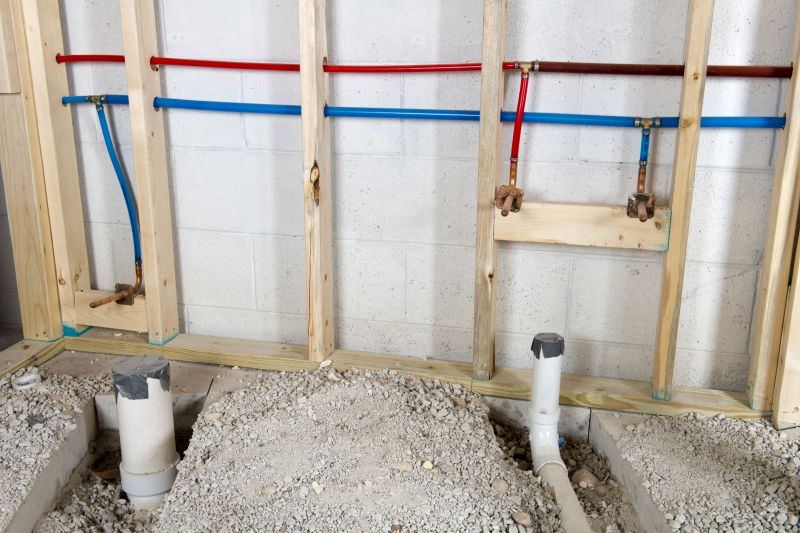
Rough plumbing installation services are often needed during major property renovations, new construction projects, or when existing plumbing systems require significant upgrades. Property owners might seek out local contractors to handle tasks such as installing new water lines, setting up drainage systems, or replacing outdated pipes to ensure proper functionality and compliance with building codes. These projects are essential for maintaining reliable water flow and preventing issues like leaks or blockages that can disrupt daily routines.
In addition, property owners may look for rough plumbing services when repairing damage caused by wear and tear, natural events, or accidental impacts. Whether upgrading plumbing infrastructure to support additional fixtures or replacing aging pipes to prevent future problems, local service providers can assist with the initial rough-in work necessary for a safe and efficient plumbing system. Connecting with experienced local contractors ensures the work is handled properly from the start, helping to avoid costly repairs down the line.
What does rough plumbing installation include? Rough plumbing installation involves setting up the essential water supply and drainage systems within a building before walls are finished, including pipes, fittings, and vents.
Is rough plumbing installation necessary for new construction projects? Yes, rough plumbing is a fundamental step in new construction to ensure proper water flow and waste removal throughout the building.
How do local contractors determine the scope of rough plumbing work? They assess the building plans, layout, and specific plumbing needs to plan the placement of pipes, fixtures, and connections accordingly.
Can rough plumbing installation be customized for different building types? Yes, service providers can adapt rough plumbing setups based on the design, size, and function of residential or commercial structures.
What should be considered when choosing a local contractor for rough plumbing installation? Consider their experience with similar projects, reputation, and ability to coordinate with other construction trades for a smooth installation process.
Bathroom Renovations - When updating a bathroom, property owners can rely on local contractors to install new plumbing fixtures or upgrade existing pipes for improved functionality.
Kitchen Plumbing Upgrades - For kitchen remodels, local pros can handle installing or replacing sinks, dishwashers, and water lines to enhance convenience and efficiency.
Leak Repairs - Detecting and fixing leaks in pipes or fixtures helps prevent water damage and maintain proper plumbing performance around the home.
Fixture Installations - Installing new faucets, toilets, or showerheads ensures modern features and reliable operation in everyday living spaces.
If you are thinking about Rough Plumbing Installation for a property, this guide is meant to help you understand the work, the typical project types, and how different options might fit your plans.
When you are ready, you can use the quote form on this page to share a few details about your project. From there, local pros can review the basics and respond with options that match what you have in mind.