
Compare Local Contractors and Define Your Plumbing Project Clearly
Compare local contractors to define project scope, verify experience, and set clear expectations for your plumbing service needs.
Plumbing service contractors handle a wide range of tasks essential to maintaining and repairing plumbing systems in residential and commercial properties. These services typically include fixing leaks, unclogging drains, installing or replacing fixtures such as sinks, toilets, and faucets, and addressing issues with water pressure or drainage. For more complex needs, contractors may also work on pipe replacements, sewer line repairs, and water heater maintenance. Understanding the scope of work needed helps property owners ensure that contractors are equipped to handle the specific challenges of each project, reducing the risk of incomplete or inadequate repairs.
Defining the scope of plumbing work is a critical step in working with local contractors. Clear communication about what needs to be done allows property owners to set realistic expectations and avoid misunderstandings. A detailed scope includes the specific tasks involved, the materials required, and any particular considerations unique to the property. When scope is well-defined and documented in writing, it provides a reference point throughout the project, helping to keep the work on track and aligned with the original plan. This clarity ultimately supports a smoother process and can prevent disputes or surprises down the line.
Property owners can effectively compare local contractors by evaluating their experience, reputation, and the services they offer. Gathering information about each contractor’s background, including the types of projects they have completed and their familiarity with similar properties, can provide insight into their capabilities. It’s also helpful to review any available references or reviews, and to verify that the contractor’s expertise aligns with the specific plumbing needs of the property. When assessing potential service providers, it’s advisable to review written proposals or scope descriptions to ensure expectations are clearly communicated and understood. This approach facilitates informed decisions and helps identify the most suitable contractor for each project.
Compare local contractors by outlining priorities, verifying experience, and clearly defining scope and expectations in writing.
- Compare Contractor Experience - Review the background and project history of local contractors to ensure they have relevant experience for your plumbing needs.
- Define Project Scope Clearly - Outline specific tasks and expectations in writing to prevent misunderstandings during the project.
- Verify Credentials and References - Check references and verify the reputation of service providers to identify reliable local contractors.
- Set Expectations in Writing - Document all project details, including scope and responsibilities, to establish clear agreements with service providers.
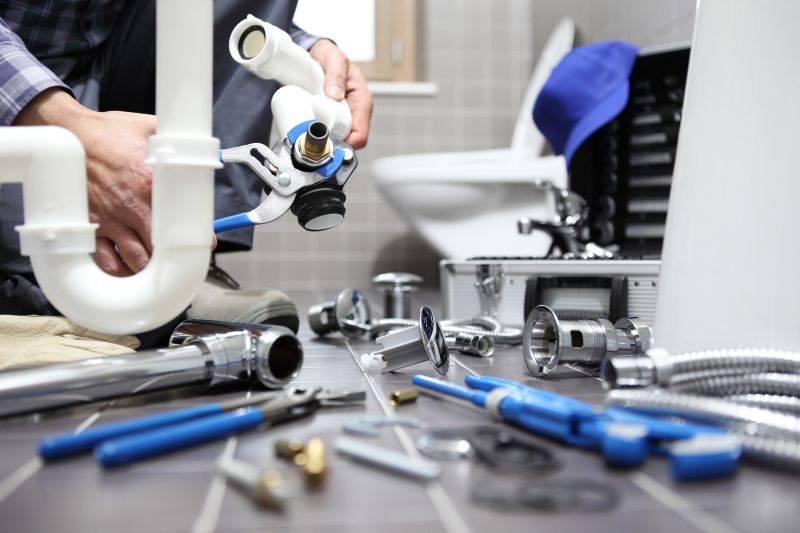
Clearly define your plumbing project scope, compare local contractors' experience, and set expectations in writing before choosing a service provider.
- Verify experience and expertise in residential or commercial plumbing services. - Ensure service providers have a proven track record handling similar plumbing projects.
- Define the scope of work clearly and in writing before the project begins. - Written agreements help set expectations and prevent misunderstandings.
- Check references or reviews to assess the quality and reliability of local contractors. - Feedback from previous clients can provide insights into their professionalism and workmanship.
- Confirm that service providers are knowledgeable about plumbing codes and standards. - Compliance with local regulations helps ensure safe and proper installations or repairs.
- Discuss the materials and fixtures to be used to ensure compatibility and quality. - Clarifying product specifications helps avoid issues related to compatibility or durability.
- Request a detailed written estimate outlining the scope, materials, and responsibilities. - A comprehensive estimate promotes transparency and helps compare different service providers effectively.
Compare local contractors’ experience, clarify project scope, and establish clear expectations in writing.


Learn how to compare plumbing contractors, define scope clearly, verify experience, and set written expectations.
- Scope Definition - Clearly outline the specific plumbing services needed, such as repairs, installations, or maintenance.
- Experience Verification - Confirm that local contractors have relevant experience handling the particular plumbing tasks involved.
- Material and Equipment Details - Specify the types of materials and tools that should be used for the project.
- Work Expectations - Define the scope of work, including the locations, fixtures, and systems involved in the plumbing service.
- Written Agreement - Ensure all project details, responsibilities, and expectations are documented in a formal scope of work.
When comparing contractors for plumbing services, it’s important to consider their experience with similar projects. Homeowners should inquire about the types of plumbing work the service providers have handled in the past, ensuring they have a track record of managing projects comparable in scope and complexity. A contractor’s familiarity with specific issues, such as pipe repairs, fixture installations, or drainage system upgrades, can provide insight into their ability to handle the job efficiently and effectively. Verifying the depth of their experience helps establish confidence that the contractor understands the nuances of the work required.
A clear, written scope of work is essential when evaluating plumbing contractors. Homeowners should seek detailed descriptions of what the service provider plans to do, including the specific tasks, materials, and any assumptions involved. A well-defined scope helps prevent misunderstandings and provides a basis for measuring whether the project meets expectations. Contractors who can articulate their approach in writing demonstrate professionalism and a commitment to transparency, making it easier for homeowners to compare options based on the clarity and thoroughness of their proposals.
Verification basics play a crucial role in selecting a reliable plumbing contractor. Homeowners should verify that the service providers have a solid history of completing similar projects successfully, which can be confirmed through references or portfolios of completed work. Checking for any relevant credentials, such as licenses or insurance, can also be part of the due diligence process, ensuring the contractor has the necessary background to perform the work safely and competently. Gathering this information helps build a clearer picture of each candidate’s reliability and experience level.
Evaluating options without focusing on prices involves assessing how well each contractor’s proposal aligns with project needs and expectations. Homeowners should compare the clarity of scope, the contractor’s experience with similar work, and their communication style. It’s also helpful to consider how each service provider approaches problem-solving and their ability to offer detailed, written plans. By focusing on these qualitative factors, homeowners can identify which contractors are best equipped to deliver the desired results, ensuring a well-informed decision based on expertise and professionalism rather than cost alone.
Request written descriptions of the scope of work to ensure clear expectations and consistent understanding among service providers.
- Scope of Work - What specific plumbing services do the local contractors plan to provide?
- Experience and Expertise - How long have the local service providers been handling similar plumbing projects?
- Qualifications and References - Can the contractors provide references or examples of past work similar to the needed service?
- Written Agreement - Are the project scope and expectations clearly outlined in a written agreement?
- Comparison of Services - How do the local contractors' approaches and included services differ to meet your needs?
How can I compare different plumbing contractors? To compare local contractors, review their experience, services offered, and customer feedback. Ensuring they clearly define the scope of work and provide written estimates can help in making an informed decision.
What should I look for when choosing a plumbing service provider? Focus on contractors who have a proven track record, transparent communication, and detailed written agreements. Clarifying project expectations upfront helps prevent misunderstandings later.
How do I verify a contractor’s experience? Ask for details about their previous work, areas of specialization, and the types of plumbing projects they have handled. Confirming their experience related to your specific needs can ensure better results.
Why is it important to define the scope of work in writing? Having a clear, written scope helps set expectations, prevents scope creep, and provides a reference point for all parties involved throughout the project.
What questions should I ask a plumbing contractor before hiring? Inquire about their experience with similar projects, the process they follow, and how they handle unexpected issues. Clear communication helps establish mutual understanding.
How can I ensure a plumbing project stays on track? Establish detailed project expectations in writing, including scope, responsibilities, and deliverables. Regular updates and clear documentation support smooth progress.
Understanding the importance of clear communication and well-defined scope, visitors learned how to effectively compare local contractors for plumbing services. Emphasizing the value of verifying experience and setting expectations in writing can help ensure a smoother process. Using the quote form allows for an easy way to explore options and find service providers suited to specific project needs.
By taking the time to define project details and review credentials, visitors can connect with qualified local contractors who meet their requirements. The quote form serves as a practical tool to gather information and compare different service providers, helping to facilitate an informed decision-making process.